
Otoplasty
What is Otoplasty?
Ear surgery, also known as otoplasty, in Boston and Worcester, Massachusetts, corrects the shape or position of the ear. It also corrects birth defects of the ear, as well as malformation due to injury.
Am I a good candidate for otoplasty surgery?
Good candidates are people who are not happy with the appearance of their ears, whether they have been injured or not. Most patients come in with concerns that their ears stick out too far, part of the ear cartilage has been injured or become deformed, and some could also benefit from earlobe repair.
Children, teenagers, and adults are all candidates for ear pinning surgery. Children should be healthy, five years of age or older, and able to communicate their feelings about ear surgery to be good candidates. Teenagers and adults should also be healthy individuals who do not smoke and have realistic expectations about how their ear reshaping procedure will turn out.
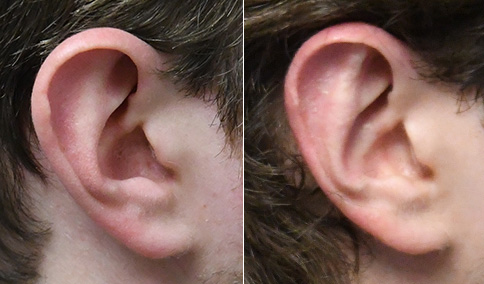
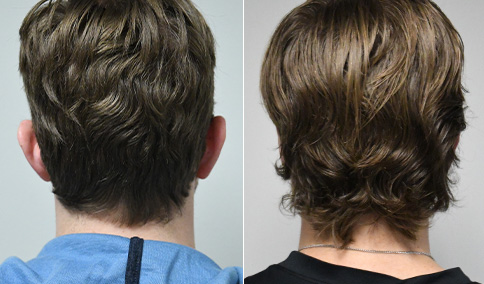
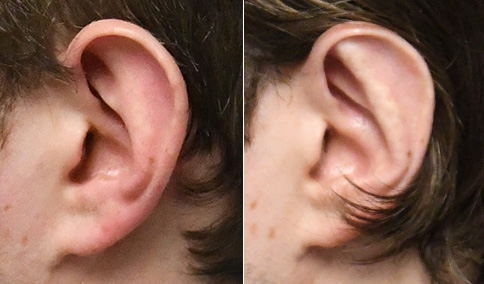
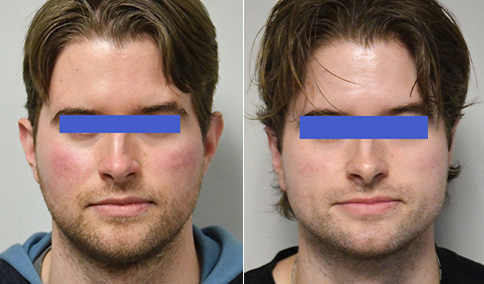
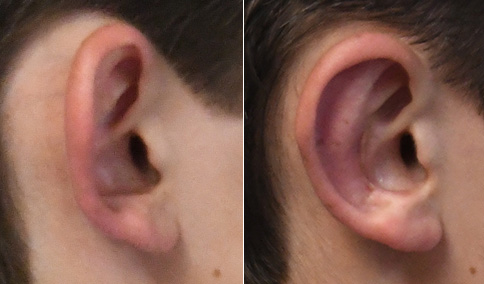
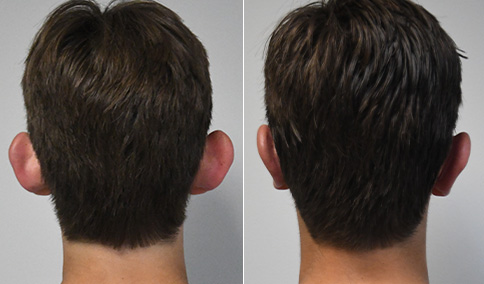
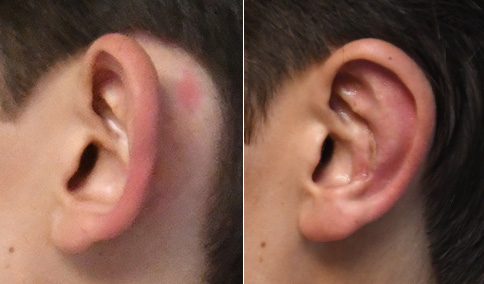
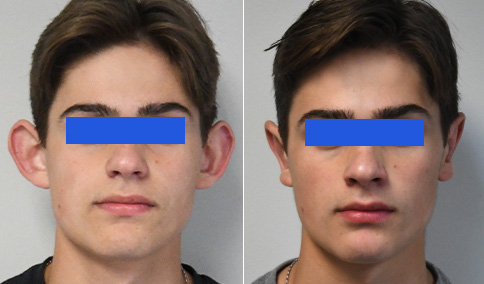
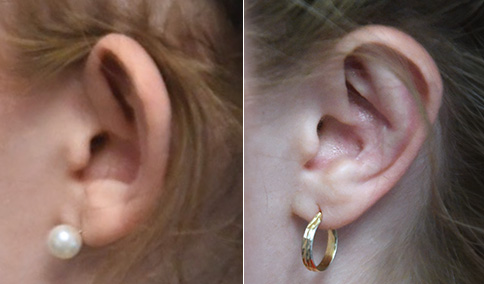
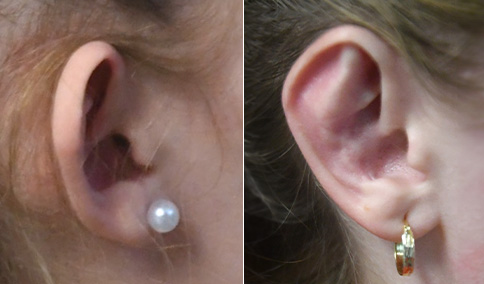
How Otoplasty is Performed
Plastic surgeons utilize a variety of techniques to perform otoplasties because no two ears are exactly alike. Board-certified plastic surgeon Dr. Jonathan Hall performs this cosmetic surgery to help both adult patients and younger patients to have ears that match harmoniously with the rest of their facial features, giving them the opportunity to escape teasing and self-confidence issues.
Otoplasty may be performed under either local anesthetic, intravenous sedation, or general anesthesia, depending on the extent of the procedure and the desire of the patient. Dr. Hall then makes a small incision or two to access the cartilage tissue of the inner ear. This will leave a faint scar on the back of the ear that will fade with time and is not readily visible.
What should I expect during recovery?
The recovery process after most otoplasties is pretty simple. Most patients recover quickly and are back to school or work within days.
The sutures, which are located behind the ear, are dissolvable and do not need to be removed. Patients may experience bruising or itching around and under the bandages, though medication may be prescribed to control any discomfort. It is important that bandages are not removed during the healing process to ensure optimal correction results.
How long do results last?
An otoplasty permanently corrects any imperfections of the ear. It may take a few weeks for the ear to fully adjust to its new position, but all in all the results tend to be immediate.
Ear Surgery in Boston, MA
If you or a loved one is unsatisfied with the shape, size, or prominence of one or both ears, a minimally invasive otoplasty can help you achieve the appearance you are hoping for. Start the process with Dr. Jonathan Hall by calling our Stoneham office or contacting us online today.

“I saw 3 surgeons before meeting with Dr. Hall and by far he and his staff was the most compassionate, thorough, professional and helpful. Can’t say how pleased and comfortable he and his staff made me feel.”




Cosmetic & Plastic Surgery Specialist
"I treat my patients like I would treat
- Jonathan D. Hall, MD, FACSmembers of my own family."
Schedule Consultation