
Breast Augmentation
What is Breast Augmentation?
Breast augmentation surgery is performed to enlarge or restore the size of breasts using silicone or saline breast implants. Being one of the most popular cosmetic surgery procedures performed every year, breast augmentation is a safe and effective solution to enhance, regain, and restore balance to a person’s figure. Breast augmentation can be achieved using many different techniques to meet the needs of each individual patient.
Am I a Good Candidate for Breast Augmentation?
Candidates for a breast augmentation procedure are those who are unhappy with a small breast size, have smaller or deflated-appearing breasts due to pregnancy or weight loss, have asymmetry of the breasts, or are self-conscious with their body due to their breasts. Ideal candidates are in good health and have realistic expectations of breast augmentation surgery.
It is important that patients understand all facets of breast augmentation surgery before making a decision. Augmentation is a long-term solution for achieving a desired figure and will help you to look and feel better in clothing and swimwear. However, breast implants require monitoring and do not last forever although they commonly last for 10 years or longer before they need to be replaced. During a consultation with Dr. Hall, all of the pros and cons of this surgery will be discussed so that patients can make an educated and well-informed decision for their unique procedure.
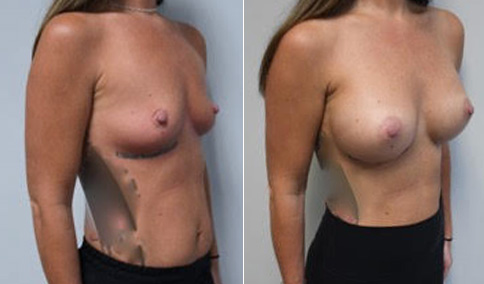
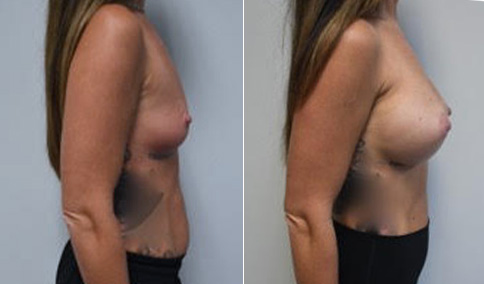
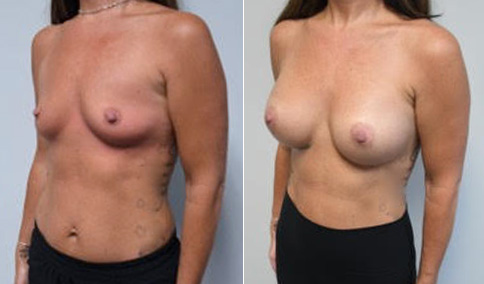
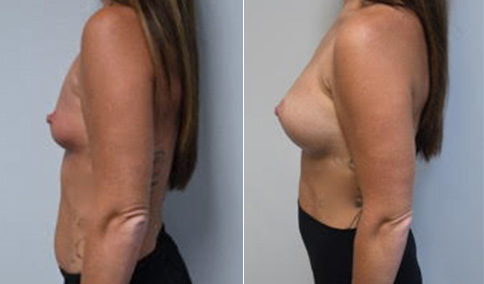
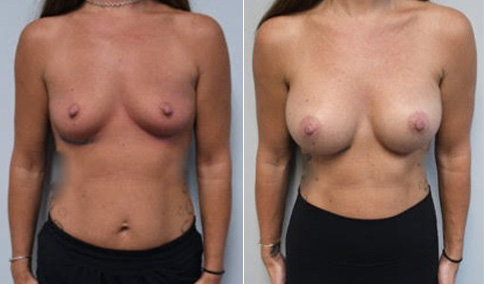
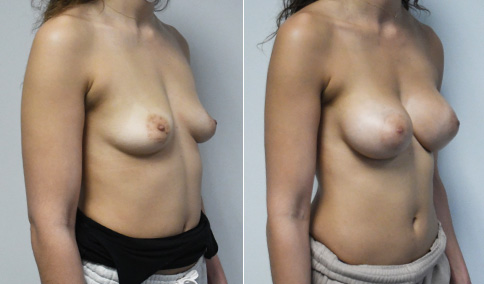
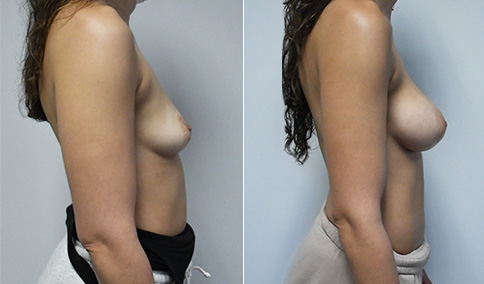
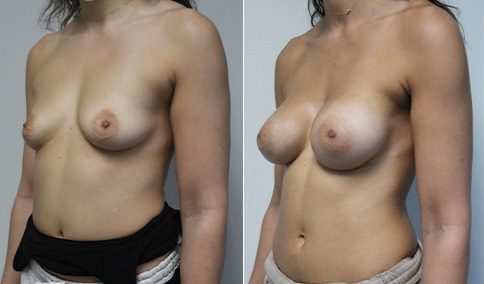
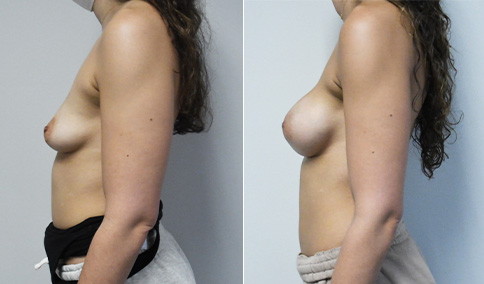
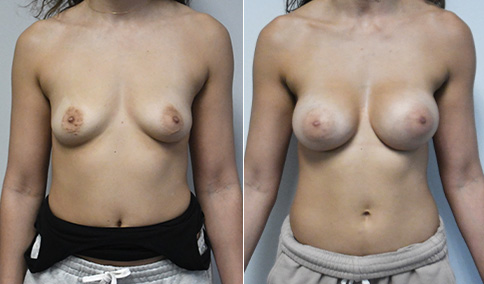
There are many different options when it comes to breast augmentation techniques, as well as implant choices. The different techniques available often have to do with differences in incision placement, and include:
Breast Augmentation Incision Options
The three most commonly used incision patterns are:
- The inframammary incision, which is located underneath the breast
- The periareolar incision, which is located along the border of the areola
- The axillary incision, which is located in the armpit
Other techniques include a transabdominal breast augmentation (TABA), in which breast implants are inserted through an incision in the abdomen, as well as a transumbilical breast augmentation (TUBA), in which implants are placed through an incision in the navel. Furthermore, patients have the option of having their implants placed on top of or underneath the pectoral muscle.
Types Of Breast Implants
There are also many breast implant options available for each patient’s unique needs. The two most common types of breast implants used today are saline and silicone breast implants. Saline implants are filled with a sterile saltwater solution, while silicone implants are filled with a silicone gel. Silicone implants also include so-called “gummy bear” implants, which are filled with a thicker gel formula that closely resembles a gummy candy.
If a saline implant were to rupture, the breast would simply deflate and the solution would be absorbed into the body. If a silicone implant were to rupture the silicone is typically still contained within the layer of scar tissue that forms around the implant, as the body cannot absorb the silicone gel.

At our office we also offer the IDEAL implant. The IDEAL structured breast implant is a new type of implant designed by a plastic surgeon. It combines the safety of a saline implant with the realistic look and natural feel of silicone gel breast implants. The IDEAL implant offers next-generation technology that offers you the benefits of both types of implant, so you can feel both beautiful and secure.
Learn more about the IDEAL implant in Dr. Hall’s video blog below:
How is Breast Augmentation Performed?
During breast augmentation surgery, Dr. Hall creates an incision, forms a pocket in the breast area, and then places the implant inside. The incisions are then closed in a manner that will reduce scarring and remain subtle. The number and placement of incisions will depend on which breast augmentation technique you and Dr. Hall decide is best suited for your goals and unique anatomy. The type of implant used and whether the implant is placed underneath or on top of the muscle is also a decision that you will make with Dr. Hall during your consultation.
Boston breast augmentation patients who not only desire more fullness in their breast tissue but also correct excessive sagging can optionally have a breast lift at the same time as augmentation. This popular combination procedure enhances the volume of the breasts while simultaneously removing excess skin and tissue to help the breasts sit higher on the chest and appear more youthful.
What Should I Expect During Breast Augmentation Recovery?
After breast augmentation surgery, patients typically don’t need narcotics after 24 hours. They can typically return to office work after 5-7 days but should “rest the breasts” and avoid excessive activity for 6 weeks to allow adequate healing.
Pain medication can be prescribed to help with a comfortable recovery. Patients are given a surgical bra to wear after surgery for support, and they should wear a comfortable bra throughout their recovery to ensure optimal results. Any sutures that are placed are typically self-absorbing and do not need to be removed. Dr. Hall will provide you with specific recovery instructions, which are imperative to follow for a quick and safe recovery. Learn more about proven methods to improve your recovery following a breast augmentation in Dr. Hall’s video blog, the Thoughtful Patient’s Guide!
How Long Will My Breast Augmentation Last?
With the proper preparation and aftercare, breast augmentation results are typically long-lasting. In the event that the breast implants become damaged, they usually need to be removed and replaced. For best results, scheduling a routine follow-up appointment with Dr. Hall is recommended to make sure the implants are healing properly. There are a few physical changes that can affect the integrity of breast augmentation results, which include:
- Pregnancy, childbirth, and nursing
- The natural aging process, and gradual breakdown of collagen and elastin in the skin
- Drastic changes in weight, like gaining or losing
- Gravity and the weight of an implant/breast on the skin
Year after year, the breast augmentation is the number one plastic surgery procedure performed throughout the nation. Many women seek to add volume and create a new breast profile, while some seek to balance out uneven breasts. Augmentation techniques can also be combined with other breast procedures. Whatever your reason for choosing a breast augmentation, expect excellent results from board certified plastic surgeon, Dr. Jonathan Hall.
Schedule Your Consultation
If you are located in the Boston, MA area and are interested in learning more about breast augmentation, contact our office today. We would be happy to schedule a consultation for you, as well as answer any questions you may have about the procedure, including what breast implant size would be best, what techniques we recommend, and breast augmentation cost.

“I saw 3 surgeons before meeting with Dr. Hall and by far
he and his staff was the most compassionate, thorough,
professional and helpful. Can’t say how pleased and
comfortable he and his staff made me feel.”




Cosmetic & Plastic Surgery Specialist
"I treat my patients like I would treat
- Jonathan D. Hall, MD, FACSmembers of my own family."
Schedule Consultation